Category Archives: Pets

Should You Buy a Dog Water Fountain? 5 Convincing Reasons

A basic water bowl meets a need, but it rarely inspires dogs to drink as much as they should. A dog water fountain does more than hold water—it keeps it moving, fresh, and easy to reach.

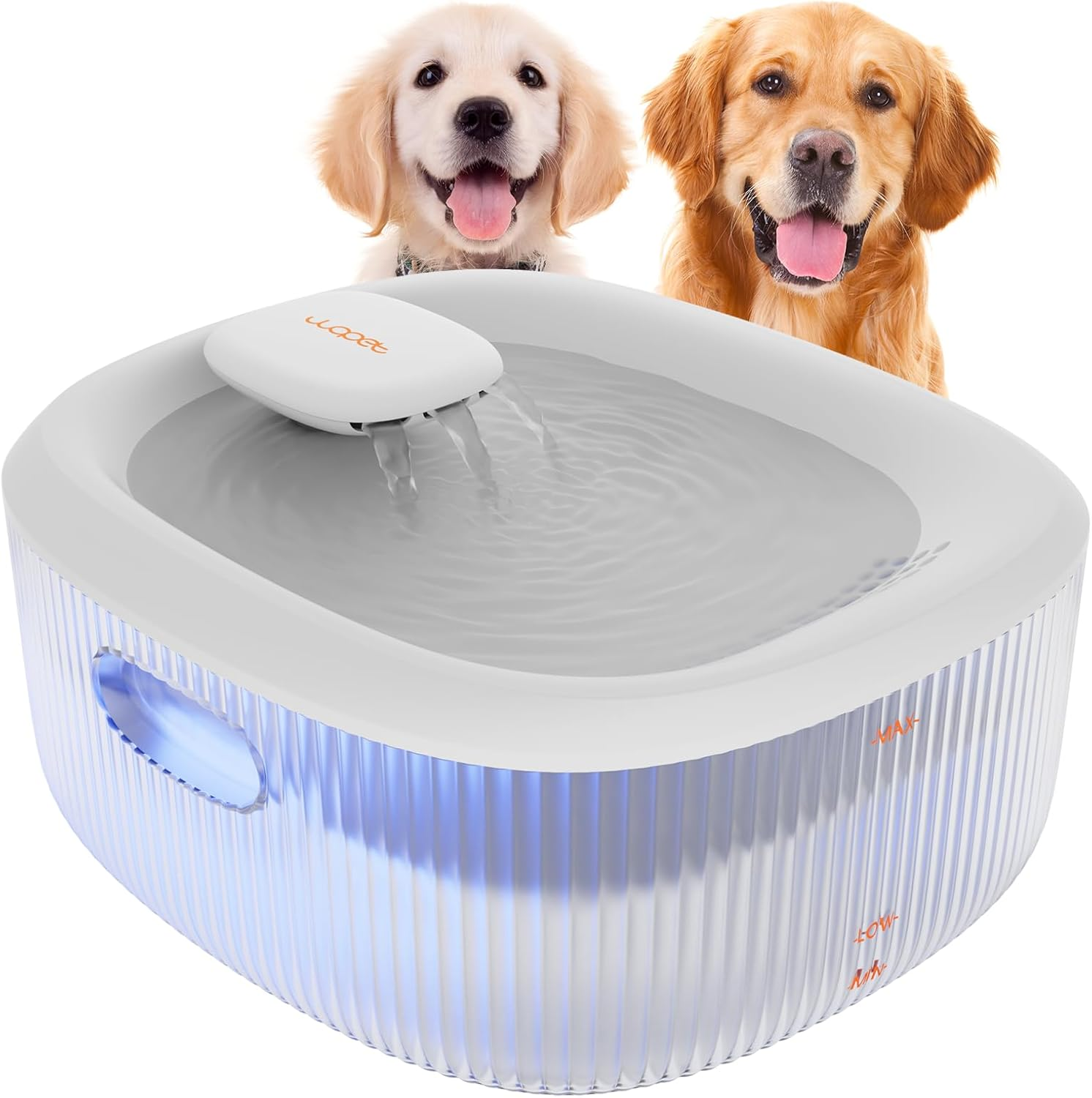
Below are five clear reasons why adding one to your home makes sense, with special focus on the WOpet W600 Large Dog Water Fountain.

1. Healthy Hydration Becomes Routine

Dogs often ignore stale water, especially when it warms up or collects dust. Flowing water smells better and tastes cooler. A dog water fountain draws a pet’s attention, so it drinks more and stays hydrated. The WOpet W600 offers a 6-liter (205 oz) capacity, so large breeds and busy multi-pet homes never run dry.

Its wide pool lets every pet drink from any side without crowding. Regular sipping supports kidney health and helps prevent urinary stones—goals every owner shares. For extra guidance on senior pets’ fluid needs, see this helpful piece on hydration needs.

2. Clean Water Around the Clock

Running water stays cleaner because oxygen keeps bacteria down and the fountain’s filter traps debris. The WOpet W600 layers several filters: cotton catches hair, active carbon removes odors, and an extra mesh collects fine grit. Replace the cartridge every two weeks to keep performance high.

A clear window lets you check levels at a glance, while an LED shifts from white to red when water sinks too low. This real-time cue protects the pump and your pet. Learn how a strong filtration system keeps any fountain in top shape.

3. Less Work for Busy Owners

Refilling giant bowls twice a day adds one more chore. The WOpet W600 stores almost half a gallon more than many competing models. That depth, plus a sturdy built-in handle, makes refills fast and spill-free.

Its smart pump shuts off before it ever runs dry, guarding the motor and saving energy. Pairing a fountain with an automated feeding routine further reduces daily tasks and keeps schedules consistent even when you work late.

4. A Single Station for Every Pet

Households with more than one dog—or a mix of dogs and cats—often see bowl shoving and splash fights. A dog water fountain with a broad rim settles turf battles because everyone can reach the stream without nudging a partner aside.

The WOpet W600’s 360-degree tray spreads the flow and stays stable on the floor. Its BPA-free ABS shell resists knocks, and rubber feet cut sliding. If you wonder whether a fountain beats a dish for sharing space, this brief look at a modern water station lays out the facts.

5. Built-In Alerts Safeguard Pets

The WOpet W600 earns trust with its quiet (under 30 dB) pump and automatic safety stop. When the water dips below the safe line, the LED flashes red and the motor cuts power. A spare 16 oz pool still sits in the bowl, so a dog can drink while you refill.

This quick signal prevents damage and assures you that your pet never faces a dry bowl. The fountain’s food-grade body wipes clean with mild soap, supporting a healthy drinking zone day after day.

Final Thoughts

A reliable dog water fountain turns hydration from a chore into a natural habit. It boosts health, trims daily upkeep, and keeps water clear. The WOpet W600 Large Dog Water Fountain does all that with a six-liter tank, smart LED alerts, layered filtration, and an easy-carry handle. If you want peace of mind and fewer refills, this fountain belongs in your kitchen corner. Give your pets constant access to moving, fresh water and watch them thrive.

Why Halo Collar 4 Might Be the Best GPS Dog Collar Yet

As you search for the perfect GPS dog collar, you’re likely comparing features and prices, trying to find the one that checks all the right boxes. You want a collar that not only tracks your dog’s location but also provides valuable insights into their daily activities and health. The Halo Collar 4 seems to fit the bill, with its advanced GPS tracking capabilities, customizable boundaries, and user-friendly design. But what really sets it apart from the competition? You’re about to find out why this collar is generating so much buzz among dog owners – and why it might just be the best GPS dog collar yet. halo collar 4.

Advanced GPS Tracking Capabilities

With its cutting-edge GPS technology, the Halo Collar 4 provides you with unparalleled location tracking capabilities.

You’ll have real-time access to your dog’s location, allowing you to keep tabs on their whereabouts at all times. Whether you’re at home, at work, or on-the-go, you can track your dog’s movements with ease.

The Halo Collar 4’s GPS technology is incredibly accurate, providing location updates every few seconds.

You’ll receive instant notifications if your dog leaves a designated area or ventures too far from you. This means you can respond quickly if your dog gets loose or lost, reducing the risk of accidents or injuries.

With the Halo Collar 4, you’ll also have access to detailed activity tracking, including distance traveled, speed, and duration of exercise.

This valuable information helps you monitor your dog’s health and fitness, making it easier to identify potential issues before they become serious problems. By providing you with a comprehensive picture of your dog’s activities, the Halo Collar 4 gives you the insights you need to keep your furry friend safe and healthy.

Customizable Boundaries for Safety

Freedom from worry comes with knowing your dog is safe and sound within designated boundaries.

With Halo Collar 4, you can create customizable boundaries that give you peace of mind. You set the perimeter, and the collar alerts you if your dog strays beyond it.

This feature is especially useful for pet owners with dogs that love to explore or have a tendency to wander off.

You can set multiple boundaries, which is perfect for dogs that frequent different areas, such as parks, hiking trails, or dog daycares.

The collar’s GPS tracking capabilities work in tandem with the customizable boundaries, ensuring you’re always aware of your dog’s location.

If your dog breaches a boundary, you’ll receive instant notifications, allowing you to take prompt action to ensure their safety.

With Halo Collar 4, you can tailor the boundaries to your dog’s specific needs, providing an added layer of protection and giving you confidence that your furry friend is safe and secure.

User-Friendly Design and Interface

You’ve set your customizable boundaries, and now it’s time to explore the Halo Collar 4’s user-friendly design and interface.

The first thing you’ll notice is the sleek, modern design that fits comfortably on your dog’s neck.

The collar’s compact size and lightweight material ensure it won’t irritate your pet or obstruct their movement.

The Halo Collar 4’s interface is equally impressive.

The accompanying mobile app is easy to navigate, with clear, concise menus and intuitive controls.

You can quickly access vital information, such as your dog’s location, activity levels, and boundary alerts.

The app also allows you to customize alert settings, set reminders, and track your dog’s progress over time.

What really sets the Halo Collar 4 apart is its seamless integration with your smartphone.

You’ll receive instant notifications when your dog breaches a boundary or engages in unusual behavior.

This real-time feedback enables you to respond promptly and effectively, giving you peace of mind and your dog the freedom to roam safely.

Real-Time Location Updates Matter

Every few seconds, the Halo Collar 4 sends real-time location updates to your smartphone, providing an unparalleled level of precision and accuracy.

You’ll receive a constant stream of updates, so you’ll always know exactly where your dog is. This feature is especially crucial if your dog escapes or gets lost. With traditional GPS collars, you might’ve to wait minutes or even hours for an update, which can be agonizing when every minute counts.

With the Halo Collar 4, you’ll get updates in real-time, allowing you to react quickly and take action to ensure your dog’s safety.

You can track your dog’s movement, direction, and speed, giving you a clear picture of their activity. This level of visibility is unmatched in the market, and it’s a game-changer for pet owners who want the best for their furry friends.

Unparalleled Training and Support

With the Halo Collar 4, comprehensive training and support are always within reach, empowering you to get the most out of this advanced canine companion solution.

You’ll have access to a wide range of resources, including video tutorials, user guides, and FAQs, ensuring you’re well-equipped to navigate the collar’s features and functionality. If you need personalized assistance, Halo’s dedicated customer support team is just a call or email away, providing prompt and helpful responses to your questions and concerns.

You’ll also benefit from Halo’s expert-led training sessions, designed to help you optimize the collar’s training features and develop a stronger bond with your dog.

These interactive sessions cover topics such as boundary setting, behavioral modification, and obedience training, giving you the tools and confidence you need to address common behavioral issues and improve your dog’s overall well-being.

Conclusion

You’ve found the perfect GPS dog collar in the Halo Collar 4. With its cutting-edge tracking, customizable boundaries, and user-friendly design, you’ll have peace of mind knowing your dog’s location and activity levels at all times. Real-time updates and instant notifications ensure your furry friend’s safety, while advanced health monitoring and training support take your dog’s care to the next level. Experience the ultimate in dog tracking and care with the Halo Collar 4.

Sympathy Canine Tooth Conduct What Drives Your Dog’s Actions?

As you watch over your dog’s quirky antics and apparently incomprehensible behaviors, you can’t help but wonder what drives their actions. You’re not alone in this curiosity- understanding eye tooth demeanour is a fascinating and dumbfound that has loving dog owners and experts likewise. By peeling back the layers of instinct, emotion, and , you’ll uncover the complex web of influences that shape your dog’s decisions and reactions. But where do you start?

Instinctual Roots of Canine Behavior

Frequently, dogtooth deportment can be copied back to their wild ancestors, and sympathy these instinctual roots is crucial in deciphering their actions.

You might notice your dog exhibiting behaviors that seem odd or deep, but they’re often connected to their natural instincts. For instance, when your dog sniffs around, it’s not just about wonder- they’re using their right sense of smell to pucker entropy about their , much like their wild ancestors did to hunt and pull through.

You’ll also watch over your dog attractive in play-fighting or chasing, which are remnants of their ravening past. Even behaviors like digging or burial food can be attributed to antediluvian instincts, where dogs would stash food for later.

Emotional Needs and Body Language

Harmony in the man-canine bond hinges on sympathy the emotional needs of your dog, which are often sent through subtle yet telling body terminology cues.

Your dog’s emotional well-being is profoundly tied to their power to feel safe, wide, and wired to you.

When these needs are met, your dog is more likely to be calm, lax, and receptive to training.

Conversely, unmet feeling needs can lead to anxiousness, fear, and hostility.

Learned Behaviors and Conditioning

Your dog’s conduct is formed by a of instinct, , and go through, with nonheritable behaviors playacting a significant role in their overall demeanour.

Through interactions with you and their surroundings, your dog develops habits, manners, and even feeling responses. You’re likely witting that your dog can instruct tricks, like”sit” or”stay,” but they also learn from mundane experiences, like associating the vocalise of a leash with going for a walk.

Conditioning, a key panorama of nonheritable behaviors, is the work by which your dog links particular stimuli to consequences.

There are two main types of : classical and operant. Classical involves associating a nonaligned stimulus with an unlearned stimulation to elicit a reply. Operant conditioning, on the other hand, involves consequences, such as rewards or punishments, that keep an eye on a specific behavior.

Environmental Factors at Play

Surrounded by sights, sounds, and smells, your dog is perpetually interacting with their environment, which in turn influences their demeanor.

The spaces they inhabit, both inside and outdoors, can significantly touch their actions and reactions. For exemplify, a littered sustenance room can lead to anxiousness, while a well-organized quad can advance .

Even the layout of your home can regard your dog’s behavior, with narrow hallways potentially causation feelings of .

Additionally, factors like endure and seasonality can mold your dog’s deportment.

Rainy days might make them more unergetic, while sunny days can step-up their vitality levels. As the seasons change, your dog may demo different behaviors, such as accumulated sloughing in leap or seeking more tending during overwinter.

It’s requirement to recognise how these environmental factors contribute to your Pack position demeanor, allowing you to make adjustments to produce a more wide and contributive .

Decoding Your Dog’s Communication

Decoding Your Dog’s Communication

Three primary feather ways dogs communicate with humans and other animals are through vocalizations, body nomenclature, and scent marker.

You’re likely familiar with your dog’s vocalizations, such as barking, whining, and growl. Each of these sounds conveys a specific message, like alertness you to potential threats or expressing anxiety or excitement.

Body language is another material view of canine communication. Pay tending to your dog’s pose, nervus facialis expressions, and tail language.

A tucked tail can indicate fear or submission, while a increased tail may signify trust or excitement.

Scent marking is a more perceptive form of communication, where your dog deposits pheromones through water, stool, or scent glands to transmit entropy about their identity, sex, and fruitful position.

Conclusion

Now that you’ve delved into the complexities of canine tooth deportment, you’re better weaponed to empathize what drives your dog’s actions. By recognizing instinctual roots, merging emotional needs, and shaping demeanour through conditioning, you can tone up your bond. Consider environmental factors and decipher communication methods to react to your dog’s needs. With this new understanding, you’ll react more effectively to your dog’s cues, fostering a more balanced and amative family relationship.

Mastering Commands Teaching Your Dog Sit, Stay, and More

As you bring your new furry friend home, you’ll quickly realize that teaching them basic commands is crucial for a harmonious household. You’re probably eager to see your dog respond promptly to “sit” and “stay,” but where do you start? Establishing a strong foundation begins with understanding how to effectively communicate with your dog. By grasping the fundamentals of positive reinforcement and consistent training, you’ll be well on your way to raising a well-behaved companion. But that’s just the beginning – and you’re about to discover the secrets to unlocking your dog’s full potential.

Building a Strong Foundation

By laying the groundwork for effective communication, you’re setting yourself up for success in teaching your dog commands.

Establishing a strong foundation begins with understanding your dog’s learning style and personality. Are they a visual, auditory, or kinesthetic learner? Do they respond better to positive reinforcement or clear boundaries? Knowing these factors will help you tailor your approach to maximize their understanding.

Next, choose a quiet, distraction-free area for training, free from loud noises and other pets.

This will allow your dog to focus on you and the task at hand. Consistency is key, so designate a specific time and place for Dog Training Tips sessions to create a routine.

Use positive reinforcement techniques, such as treats and praise, to encourage good behavior.

Be patient and calm, as your dog will pick up on your energy. By building trust and establishing a strong bond, you’ll create an environment conducive to learning and set the stage for successful command training.

Teaching the Basics: Sit and Stay

Now that you’ve established a strong foundation for effective communication with your dog, it’s time to teach the basics.

The first command you’ll want to teach is “sit.” Hold a treat above your dog’s head and slowly move it backwards towards their tail. As they follow the treat with their nose, their bottom will lower into a sitting position.

Once they’re in the sit, say “sit” and give them the treat. Repeat this process several times until they learn the association.

Next, you’ll want to teach “stay.” Start by having your dog sit, then take a few steps back while saying “stay.”

If they get up, go back to the beginning and try again. Gradually increase the distance and time you’re away from your dog while they’re in the stay position.

Remember to reward them with treats and praise when they successfully stay in position. Be patient, as this may take some time for your dog to master.

With consistent practice, your dog will learn these basic commands in no time.

Expanding Your Dog’s Vocabulary

Three essential commands to add to your dog’s vocabulary are “down,” “come,” and “leave it.”

These commands will help you communicate more effectively with your dog and strengthen your bond.

The “down” command is useful for getting your dog to lie down, which can be helpful in situations where they need to calm down or relax.

To teach “down,” start by having your dog sit, then use a treat to lure them into a downward position.

The “come” command is crucial for off-leash walks and recalling your dog in emergency situations.

To teach “come,” start by having your dog on a leash and calling them to you.

Gradually increase the distance and remove the leash as they become more reliable.

The “leave it” command helps prevent unwanted behavior like stealing food or picking up trash.

To teach “leave it,” place a treat in front of your dog and say “leave it.”

If they try to take the treat, cover it with your hand and say “no.”

When they leave the treat alone, praise and reward them.

Practice Makes Paw-fect

One key element in mastering dog commands is consistent practice. You can’t expect your dog to learn overnight, so set aside time each day to practice what they’ve learned.

Start with short sessions, around 5-10 minutes, and gradually increase the duration as your dog becomes more focused. Be sure to practice in different locations and environments to help your dog generalize the commands.

Make practice a game by incorporating fun activities, such as hiding treats or toys, to keep your dog engaged. Use positive reinforcement, like treats and praise, to encourage good behavior.

It’s essential to be patient and not scold or punish your dog for mistakes. Remember, they’re still learning.

Keep practice sessions fun and engaging, and you’ll be surprised at how quickly your dog picks up new commands. Consistency is key, so try to practice at the same time every day to make it a habit for both you and your dog.

With time and effort, you’ll see significant improvements in your dog’s obedience and behavior.

Overcoming Common Challenges

Roadblocks to obedience training are inevitable, but don’t let them derail your progress.

You’ll encounter setbacks, like distractions, boredom, or even your own frustration. The key is to identify the issue and adjust your approach.

For instance, if your dog is easily distracted, try training in a quiet area or using high-value rewards to maintain their focus.

Another common challenge is your dog’s lack of motivation.

If they’re not interested in treats or toys, try switching to a different reward or increasing the value of the reward. You might also need to reassess your training style, as some dogs respond better to positive reinforcement, while others require a more structured approach.

Conclusion

You’ve laid the groundwork for a well-behaved dog by teaching essential commands like “sit,” “stay,” “down,” and “come.” Now, it’s time to practice consistently in various locations to help your dog generalize these commands. With patience, consistency, and positive reinforcement, you’ll be amazed at how quickly your dog picks up these skills. Remember to reward good behavior and don’t get discouraged by setbacks – you’re one step closer to having a well-behaved furry friend.

How to Choose the Best Online Pet Shop for Your Pet s Needs

When considering the best online pet shop for your furry companion, ensuring that their unique needs are met is paramount. From specialized dietary requirements to specific health concerns, catering to your pet’s individuality is key. But how do you guarantee that the online pet shop you choose ticks all the boxes for your beloved pet’s well-being? Stay tuned to discover essential tips and insights that will guide you in finding the perfect online pet shop that aligns with your pet’s requirements, ensuring their happiness and health are the top priorities.

Understanding Your Pet’s Requirements

When selecting a pet shop online, it’s essential to begin by understanding your pet’s unique requirements. Your pet’s needs are crucial in determining the right products and services that the online pet shop should offer. Consider factors such as your pet’s species, age, size, breed, health condition, and specific dietary or grooming needs.

For example, if you have a young energetic dog, you might be looking for pet shops that offer a variety of interactive toys and sturdy leashes. Conversely, if you have an older cat with dietary restrictions, you may prioritize finding a shop with specialized food options. Assessing your pet’s requirements will help you narrow down your search and find an online pet shop that caters to your furry friend’s well-being.

Researching Reputable Online Pet Shops

To find the best online pet shop for your furry companion, your next step is researching reputable options that prioritize quality products and exceptional customer service. Start by checking reviews and ratings from other pet owners.

Websites like Trustpilot or the Better Business Bureau can provide valuable insights into the reputation of different online pet shops. Look for stores that have positive feedback and a strong track record of satisfied customers.

Additionally, consider reaching out to friends, family, or fellow pet owners for recommendations. Personal referrals can be very helpful in finding trustworthy online pet shops that offer reliable products and excellent service.

Social media platforms or online forums dedicated to pet care are also great resources for gathering recommendations and insights from other pet parents.

Evaluating Product Variety and Quality

Explore the online pet shops you’re considering to evaluate their product variety and quality. Look for a wide selection of items that cater to your pet’s specific needs. A good online pet shop should offer a range of products such as food, toys, grooming supplies, and accessories. Check if they carry reputable brands known for their quality and safety standards.

When assessing product quality, read customer reviews to gauge the experiences others have had with the products. Look for detailed descriptions and specifications provided for each item. High-quality products are essential for your pet’s health and well-being, so prioritize shops that prioritize quality.

Consider the uniqueness of the products offered. A great online pet shop will have a mix of popular items as well as unique products you may not find elsewhere.

Variety is key to keeping your pet engaged and happy.

Comparing Prices and Shipping Policies

As you navigate through different online pet accessories shops, one crucial aspect to consider is comparing prices and shipping policies. When looking for the best online pet shop for your furry friend, it’s essential to find a balance between affordability and quality.

Start by comparing prices for the products you frequently purchase for your pet. Some online stores may offer competitive prices or discounts on certain items. Additionally, consider the shipping policies of each online pet shop.

Look into factors such as shipping costs, delivery times, and available shipping options. Free shipping thresholds and expedited shipping choices can also make a significant difference in your overall experience. Keep in mind that some online pet shops may offer loyalty programs or discounts for bulk purchases, so be sure to factor those into your decision-making process.

Checking Customer Reviews and Feedback

How do you know if an online pet shop truly lives up to its promises of quality products and reliable service? One of the most effective ways is to check customer reviews and feedback. By reading reviews from other pet owners who’ve already purchased from the online shop, you can gain valuable insights into the actual shopping experience.

Look for reviews that mention the quality of the products, the accuracy of the product descriptions, the timeliness of deliveries, and the level of customer service provided. Pay attention to any recurring positive or negative comments as they can provide a good indication of what to expect.

Additionally, consider the overall rating of the online pet shop and the number of reviews available – a higher rating with a substantial amount of reviews is usually a good sign. By checking customer reviews and feedback, you can make a more informed decision when choosing the best online pet shop for your furry friend’s needs.

Conclusion

Now that you know how to choose the best online pet shop for your pet’s needs, make sure to always prioritize their well-being and happiness. Consider factors such as their species, age, health, and specific requirements when selecting a pet shop. Research reputable options, evaluate product variety and quality, compare prices and shipping policies, and always check customer reviews and feedback. By following these steps, you can ensure your pet receives the best care and products available.

Dog Training Solutions Near You Building a Better Bond

When you consider off leash training training solutions near you, think about how these resources can transform your relationship with your pet. Engaging in local classes or workshops not only teaches essential skills but also fosters a sense of community among fellow dog owners. By focusing on positive reinforcement and understanding your dog’s unique needs, you can build trust and communication. But what if you could take this bond even further? Exploring the right training methods could unlock a new level of connection between you and your furry friend.

Understanding Dog Training Basics

Understanding the basics of dog training is essential for every dog owner. It’s not just about teaching your dog to sit or stay; it’s about building a solid foundation for communication and trust.

Start by establishing clear rules and boundaries. Dogs thrive on consistency, so make sure everyone in your household is on the same page.

Positive reinforcement is a powerful tool in dog training. Reward your dog with treats, praise, or playtime when they exhibit desired behaviors. This encourages them to repeat those actions.

Remember, patience is key. Dogs don’t always understand what you want right away, so be prepared to repeat commands and practice regularly.

Socialization is another crucial aspect. Expose your dog to various environments, people, and other animals to help them become well-adjusted. This reduces anxiety and behavioral issues down the line.

Additionally, keep training sessions short and engaging, ideally lasting around 5 to 10 minutes.

Using clear commands and maintaining a positive attitude will go a long way in fostering a strong bond between you and your dog.

Local Training Classes and Workshops

Finding local training classes and workshops can be a game-changer for you and your dog. These sessions offer a great opportunity to learn new skills, strengthen your bond, and socialize your furry friend. Plus, you’ll benefit from the guidance of experienced instructors who can tailor their advice to your specific needs.

Here are some advantages of joining local training classes:

  • Structured Learning: Classes provide a clear curriculum that helps you track progress.
  • Socialization Opportunities: Your dog will interact with other dogs and people, which can improve their behavior and confidence.
  • Immediate Feedback: Instructors can give you real-time advice to adjust your techniques on the spot.
  • Community Support: You’ll meet fellow dog owners who can share experiences and tips.

Don’t underestimate the value of group dynamics; training alongside others can motivate you and your dog.

Whether you’re looking for basic obedience, agility training, or specialty courses, local workshops are an excellent way to enhance your training journey.

Professional Trainers and Their Benefits

Hiring a professional trainer can significantly enhance your dog training experience. They bring expertise that can make all the difference in understanding your dog’s behavior and needs. With tailored training methods, a professional can address specific issues you might be struggling with. This personalized approach ensures you’re not just applying generic techniques but implementing strategies that resonate with your dog’s unique personality.

Moreover, professional trainers often have access to the latest training methods and tools. They stay updated on best practices, which can save you time and frustration. Instead of trial and error, you’ll learn effective techniques right from the start, leading to quicker results.

Additionally, working with a trainer can boost your confidence. You’ll gain valuable insights on how to communicate with your dog effectively, strengthening your bond. Furthermore, trainers can provide ongoing support, so you don’t feel alone in your training journey.

Lastly, having a professional oversee your training sessions can help ensure safety and proper handling techniques, which is crucial for both you and your dog. Investing in a professional trainer can truly transform your dog training experience and enhance your relationship with your furry friend.

At-Home Training Techniques

Utilizing at-home training techniques can complement the guidance you receive from professional trainers and further enhance your dog’s learning experience. Incorporating these methods into your daily routine not only reinforces what your dog learns but also strengthens your bond.

You don’t need fancy tools; consistency and patience are key. Here are some effective at-home techniques you can try:

  • Positive Reinforcement: Reward your dog with treats or praise when they follow commands. This encourages good behavior and makes learning enjoyable.
  • Short Sessions: Keep training sessions brief, around 5-10 minutes, to maintain your dog’s focus and enthusiasm.
  • Daily Practice: Integrate training into your daily activities. For instance, practice commands during walks or meal times to reinforce learning in real-life situations.
  • Use of Clicker Training: A clicker can help mark the exact moment your dog performs the desired behavior, making it easier for them to understand what you want.

Building a Lasting Bond

A strong bond with your dog is built on trust, communication, and shared experiences. You can enhance this connection by spending quality time together. Engage in activities that both you and your dog enjoy, such as walking, playing fetch, or exploring new parks. These shared moments create lasting memories and strengthen your relationship.

Consistency is key. Establish routines for feeding, training, and playtime. Dogs thrive on predictability, and knowing what to expect from you builds their confidence and trust. Use positive reinforcement during training sessions to encourage good behavior and foster a sense of security.

Communication goes beyond words. Pay attention to your dog’s body language and vocalizations. By learning to recognize their signals, you can respond appropriately to their needs, further deepening your bond.

Lastly, don’t underestimate the power of patience and understanding. Every dog has its unique personality and learning pace. Celebrate small victories and stay calm during challenges. This creates an environment where your dog feels safe and valued.

Frequently Asked Questions

How Do I Choose the Right Trainer for My Dog?

To choose the right trainer for your dog, consider their training methods, experience, and reviews. Schedule a consultation to discuss your goals and observe a class. Trust your instincts about the trainer’s approach and rapport.

Can I Train My Dog Without Professional Help?

Yes, you can train your dog without professional help. Start with basic commands, use positive reinforcement, and be consistent. Patience and practice are key, so don’t rush the process and celebrate small victories along the way!

What Breeds Are Easiest to Train?

Some dog breeds are easier to train than others. Breeds like Labrador Retrievers, Poodles, and German Shepherds quickly grasp commands and respond well to positive reinforcement. You’ll find training more enjoyable with these eager learners.

How Long Does It Take to Train a Dog?

Training a dog typically takes anywhere from a few weeks to several months, depending on the dog’s age, breed, and your consistency. Stay patient and dedicated, and you’ll see progress and improvements in behavior.

What Common Mistakes Should I Avoid During Training?

You should avoid inconsistent commands, harsh punishments, and lack of patience during training. Keep sessions short and fun, and remember to reward progress. Building trust is key, so stay positive and engaged throughout the process.

Conclusion

Incorporating local dog training solutions into your routine can truly transform your relationship with your furry friend. By attending classes, working with professionals, or practicing at home, you’re not just teaching commands—you’re fostering trust and understanding. Remember to celebrate those small victories along the way. With consistent effort and positive reinforcement, you’ll create a strong bond that lasts a lifetime. Your journey toward a well-behaved, happy dog starts now—so get out there and enjoy the process!

Kuala Lumpurs Leading Pet Memorial Services A Loving Tribute to Your Pet

When you face the heart-wrenching loss of a pet, navigating your grief can feel overwhelming. Kuala Lumpur’s leading pet memorial services offer a range of thoughtful options designed to honor your pet’s unique spirit and the joy they brought into your life. From serene burial sites to personalized cremation services, there’s a way to pay tribute that resonates with your memories. But how do you decide which option truly reflects your bond? Exploring the possibilities can illuminate a path to healing and remembrance that you might not have considered yet.

Understanding Pet Loss

How do you cope with the heart-wrenching experience of losing a beloved pet? The grief can feel overwhelming, like a heavy weight on your chest. You might find yourself reminiscing about the joyful moments shared, from playful runs in the park to quiet cuddles on the couch. Each memory can bring a mix of happiness and pain, reminding you of the bond you had.

It’s essential to acknowledge your feelings. Allow yourself to cry, to feel sad, or even angry. Grief is a natural response to loss, and it’s okay to take your time working through it. You might also want to talk about your feelings with friends or family who understand the love you’d for your pet. Sharing your memories can provide comfort and help in the healing process.

Consider creating a small tribute in your home. This could be a photo, a favorite toy, or a special place where you remember your pet.

These gestures can help keep their memory alive while also providing you with a comforting space to visit. Remember, it’s a journey, and each step you take helps you heal.

Types of Memorial Services

When it comes to honoring your beloved pet, various types of memorial services can help you celebrate their life and provide closure. One popular option is a traditional burial service, where you can choose a serene resting place in a pet cemetery. This allows you to visit your pet’s grave and maintain a connection to their memory.

Another option is cremation, which can be done individually or communally. With individual cremation, you’ll receive your Pets E-Memorial Services ‘s ashes in a special urn, allowing you to keep them close. Some services even offer memorials at the cremation site, giving you a chance to say your final goodbyes.

You might also consider a memorial service that involves a gathering of friends and family. This can be a heartfelt way to share stories and memories, helping everyone process their grief together. Some services provide a space where you can create a tribute to your pet, complete with photos, mementos, and shared anecdotes.

Whatever type of memorial service you choose, it’s essential that it reflects the love and joy your pet brought into your life, allowing you to honor their memory in a meaningful way.

Personalized Memorial Options

Personalized memorial options allow you to create a unique tribute that truly reflects your pet’s personality and the bond you shared. These options help celebrate your pet’s life in a way that feels authentic and meaningful to you.

Here’s a quick overview of some popular personalized memorial options you might consider:

Option Description
Engraved Memorial Stones Customize a stone with your pet’s name and dates, creating a lasting tribute in your garden or favorite spot.
Photo Albums or Collages Compile your favorite photos and memories into a beautiful album or collage that tells your pet’s story.
Custom Artwork Commission a piece of art that captures your pet’s likeness or spirit, providing a cherished keepsake for years to come.

Choosing the Right Service

Selecting the right pet memorial service can feel overwhelming, but breaking it down into key considerations can help ease the process.

First, think about the type of memorial you want. Do you prefer a burial, cremation, or perhaps a memorial service? Research services that specialize in your chosen option.

Next, check for reviews and testimonials. Hearing from other pet owners who’ve used the service can give you valuable insights.

Also, consider the location. A nearby service can make logistics easier during a difficult time.

Don’t forget to inquire about pricing and services offered. You want to ensure you’re getting value for your money, so ask for a detailed breakdown of costs. Transparency in pricing is crucial to avoid unexpected expenses.

Lastly, trust your instincts. You should feel comfortable communicating with the staff and confident in their ability to honor your pet’s memory.

Take your time to compare different options. Choosing the right service is an important step in this journey, so prioritize what feels right for you and your beloved pet.

Honoring Your Pet’s Memory

After choosing the right service, the next step is to find meaningful ways to honor your pet’s memory. You can start by creating a personalized memorial. Consider a photo album or a scrapbook filled with your favorite moments together. Adding captions and notes about what made those times special can make it even more heartfelt.

Another beautiful option is to plant a tree or a flower in your yard in your pet’s name. Every time you see it bloom, you’ll be reminded of the joy your furry friend brought into your life.

You might also want to consider a custom piece of art or a portrait of your pet, capturing their unique personality.

Don’t forget about sharing your memories with others. Organizing a small gathering with friends who knew your pet can be a comforting way to reminisce.

You could also donate to an animal charity in your pet’s name, ensuring their legacy lives on by helping other animals in need.

Ultimately, honoring your pet’s memory is about celebrating the love you shared and keeping their spirit alive in your heart.

Conclusion

In the end, choosing a pet memorial service in Kuala Lumpur is about honoring the love and joy your furry friend brought into your life. Whether you opt for a serene burial, individual cremation, or a personalized keepsake, each tribute helps keep their memory alive. Take the time to celebrate their unique spirit and the bond you shared. With the right service, you can create a meaningful farewell that reflects the love you’ll always carry in your heart.

Exploring the Best Practices of Top Tier Real Estate Agencies

When you think about what sets top-tier real estate agencies apart, it’s clear that their success hinges on more than just listings. They prioritize client relationships, harness cutting-edge technology, and deploy innovative marketing strategies that resonate with today’s buyers and sellers. By focusing on continuous education for their agents, these agencies ensure they stay ahead in a competitive market. But what specific practices are they using to build trust and drive results? You might be surprised by the methods that make a tangible difference in their operations.

Emphasizing Client Relationships

When you prioritize client relationships, you set the foundation for lasting success in real estate. Building strong connections with your clients goes beyond just closing deals; it’s about understanding their needs and aspirations.

Take the time to listen actively. When clients feel heard, they’re more likely to trust you and remain loyal.

Communicate regularly, even after transactions are complete. Send personalized follow-up messages or check in to see how they’re settling into their new home. This shows you care and keeps you fresh in their minds for future business or referrals.

It’s also crucial to be transparent and honest. If there are challenges during the buying or selling process, don’t shy away from discussing them openly. Clients appreciate your candor, and it builds credibility.

Additionally, consider hosting client appreciation events. These gatherings not only strengthen relationships but also create a sense of community.

Leveraging Technology and Tools

Building strong client relationships lays the groundwork for integrating technology and tools into your real estate practice. By leveraging the right technologies, you can enhance your service and streamline operations.

Start by adopting a robust customer relationship management (CRM) system. This tool helps you track interactions, manage leads, and personalize communication, ensuring your clients feel valued.

Next, consider using virtual tour software. It allows potential buyers to explore properties remotely, saving time and expanding your reach.

Combine this with high-quality photography and drone footage to showcase listings in an engaging way.

Don’t overlook the power of social media. Platforms like Instagram and Facebook can help you connect with your audience, share listings, and build your brand.

Scheduled posts and targeted ads can improve your visibility and attract new clients.

Innovative Marketing Strategies

Unlocking the potential of innovative marketing strategies can set your real estate agency apart from the competition. To get ahead, you’ve got to think outside the box and engage your audience in fresh ways.

Here are three effective strategies to consider:

  1. Virtual Tours: Leverage technology to create immersive virtual tours of your properties. This gives potential buyers a chance to explore homes from the comfort of their own space, increasing interest and engagement.
  2. Social Media Campaigns: Utilize platforms like Instagram and Facebook to showcase listings and connect with your audience. Share behind-the-scenes content, client testimonials, and market insights to build a community around your brand.
  3. Content Marketing: Establish yourself as a thought leader by producing valuable content. Create blog posts, videos, or podcasts that provide insights into the real estate market, tips for buyers and sellers, or neighborhood guides.

This not only attracts clients but also builds trust.

Continuous Education and Training

Staying ahead in the competitive real estate market means keeping up with continuous education and training. By investing in your professional development, you not only enhance your skills but also increase your value to clients. Consider pursuing certifications, attending workshops, and participating in industry conferences. These opportunities can help you stay informed about market trends and regulations, ultimately benefiting your career.

Here’s a quick overview of different types of training you might consider:

Type of Training Benefits
Online Courses Flexibility to learn at your own pace
Local Workshops Networking opportunities with peers
Industry Conferences Access to expert insights and innovations

As you commit to lifelong learning, you’ll gain confidence in your abilities and build a reputation as a knowledgeable agent. This dedication not only sets you apart from the competition but also fosters trust with clients who seek experts in the field. So, make continuous education a priority, and watch your real estate career thrive.

Building a Strong Online Presence

In today’s digital age, having a strong online presence is essential for real estate agents who want to attract and engage clients effectively.

You’re not just selling properties; you’re building relationships and trust through your online interactions.

Here are three key strategies to enhance your online visibility:

  1. Invest in a Professional Website: Your website is your digital storefront. Ensure it’s user-friendly, mobile-optimized, and showcases your listings, testimonials, and services clearly.
  2. Leverage Social Media: Platforms like Instagram, Facebook, and LinkedIn are powerful tools for connecting with potential clients. Share valuable content, engage with your audience, and showcase your personality to build rapport.
  3. Utilize SEO Techniques: Optimize your website and content for search engines. Use relevant keywords related to your market and services to improve your visibility and attract organic traffic.

Conclusion

In conclusion, top-tier kapaa houses for sale agencies thrive by prioritizing client relationships, embracing innovative technology, and implementing effective marketing strategies. By focusing on continuous education, you can stay ahead of market trends and better serve your clients. Additionally, building a strong online presence amplifies your reach and credibility. By adopting these best practices, you’ll not only enhance your efficiency but also foster trust and loyalty, ultimately leading to greater success in your real estate endeavors.

Understanding the Reasons Behind Your Dog s Quick Breathing

If you’ve noticed your dog breathing quickly, it’s important to understand what might be causing this change. Quick breathing can stem from excitement or anxiety, but it could also signal something more serious, like health issues. By tuning into your dog’s normal breathing patterns, you can start to identify what’s typical for them and what isn’t. However, distinguishing between harmless excitement and potential health concerns can be tricky. So, what should you look for to determine if it’s time to take action?

Normal Breathing Patterns in Dogs

Understanding normal breathing patterns in dogs is essential for any pet owner. A healthy dog’s breathing rate typically ranges from 10 to 30 breaths per minute when they’re at rest. Factors like size, age, and fitness level can influence this rate. For instance, smaller breeds generally breathe faster than larger ones.

When your dog is relaxed, you should notice a smooth and rhythmic pattern. Their chest rises and falls gently, without any signs of distress. If you’ve just played with your dog, it’s normal for their breathing to become more rapid as they recover. However, the key is that it should gradually return to a steady rate.

Keep an eye on your dog’s body language, too. If they seem comfortable and aren’t showing signs of panting or gasping, they’re likely within a normal breathing range.

It’s important to observe and get familiar with your dog’s usual patterns. This awareness helps you detect any changes quickly. By recognizing what’s normal, you can better understand when something might be off and take action if necessary.

Regular check-ups with your vet will also help ensure your pup’s respiratory health remains in good shape.

Common Causes of Quick Breathing

Quick breathing in dogs can arise from a variety of factors, and recognizing these causes is crucial for your pet’s health. One common reason is excitement or anxiety. When your dog gets overly stimulated, whether from play or new experiences, their breathing can quicken.

Another possibility is heat. Dogs can’t sweat like humans, so they often breathe rapidly to cool down, especially in warm weather or after exercise.

Pain or discomfort is another significant cause. If your dog is hurt or unwell, they may breathe more quickly as a response. Additionally, certain medical conditions, such as respiratory infections, heart disease, or allergies, can lead to rapid breathing.

It’s essential to monitor any accompanying symptoms, like coughing or lethargy, which can provide clues about the underlying issue.

Lastly, age can play a role, as older dogs might breathe faster due to weakened organs or other age-related health issues.

If you notice your dog’s quick breathing persists or worsens, it’s vital to consult your veterinarian for a thorough examination. Identifying the cause early can make a significant difference in your pet’s health and well-being.

Environmental Factors to Consider

Often, environmental factors can significantly impact your dog’s breathing patterns. For instance, temperature plays a crucial role. If it’s too hot or humid, your dog may struggle to cool down, leading to rapid breathing.

Make sure your dog has access to shade and water when outdoors on warm days.

Air quality is another important factor. Smoke, pollen, or strong odors can irritate your dog’s airways, causing them to breathe quickly. If you notice this happening, consider keeping your dog indoors during high pollen days or avoiding areas with smoke.

Additionally, stress from loud noises, such as fireworks or thunderstorms, can trigger rapid breathing. Create a safe space for your dog where they feel secure during such events.

Lastly, the presence of other animals can affect your dog’s breathing. If they’re anxious around other pets or unfamiliar animals, their breathing might quicken.

Pay attention to your dog’s body language to assess their comfort level in various environments.

Signs of Potential Health Issues

Keep a close eye on your dog’s breathing patterns, as changes can signal potential health issues. If you notice your dog breathing faster than usual, it might indicate stress, pain, or an underlying medical condition. Quick breathing, known as tachypnea, can be a red flag for respiratory problems, such as asthma, pneumonia, or heart disease.

You should also watch for any other signs accompanying the rapid breathing. If your dog is coughing, wheezing, or showing signs of distress, these are significant indicators that something might be wrong.

Additionally, keep an eye on your dog’s energy levels; lethargy or reluctance to engage in activities they usually enjoy can suggest health issues.

Changes in appetite, excessive panting, or unusual postures can also provide clues. For instance, if your how to stop dog from licking paws home remedy is stretching their neck or standing with an arched back, it might be a sign of discomfort.

When to Consult Your Veterinarian

If you notice your dog’s breathing is consistently rapid or accompanied by other concerning symptoms, it’s crucial to consult your veterinarian as soon as possible. Quick breathing can indicate underlying health issues that need immediate attention.

Pay close attention to any additional signs, such as coughing, lethargy, or difficulty in breathing, as these can help your vet make a proper diagnosis.

If your dog appears restless or anxious, or if you notice a change in their normal behavior, don’t hesitate to reach out to your vet. Rapid breathing may also occur after strenuous exercise or during hot weather, but if it doesn’t subside quickly, it’s worth a check-up.

Additionally, if you observe any unusual sounds while your dog breathes, such as wheezing or whimpering, these symptoms can signal serious problems.

Always trust your instincts when it comes to your pet’s health. Remember, it’s better to be safe than sorry. Your veterinarian can provide you with the best guidance and treatment options tailored to your dog’s specific needs.

Don’t wait for symptoms to worsen—getting professional advice early can make all the difference.

Conclusion

In conclusion, understanding your dog’s breathing patterns is vital for their health. Quick breathing can stem from excitement or anxiety, but it can also signal underlying health issues. By keeping an eye on their normal breathing and any accompanying symptoms, you can better assess their well-being. If you notice persistent rapid breathing or other concerning signs, don’t hesitate to consult your veterinarian. Staying proactive ensures your furry friend remains happy and healthy!