Whoa! You saw the headlines — one device, dozens of coins, and promises of frictionless DeFi access. Sounds like magic. My first impression was excitement. Then reality set in. Initially I thought: plug it in, sign, done. Actually, wait—it’s messier than that.
Hardware wallets changed the game. They isolate private keys from the internet, and that matters. But when you pile on multi-currency support and want to interact with DeFi, trade-offs creep in. On one hand, wider coin compatibility means fewer devices and less juggling. On the other hand, each added chain brings more surface area for bugs, more user interfaces to learn, and more third-party integrations that might be out of your control.
Here’s what bugs me about the simple take: security is not a checkbox you tick once. It’s a stack of decisions that interact in subtle ways. Some are technical. Some are behavioral. And some are about trust — who you trust to build, verify, and sign the software and firmware that touches your assets.
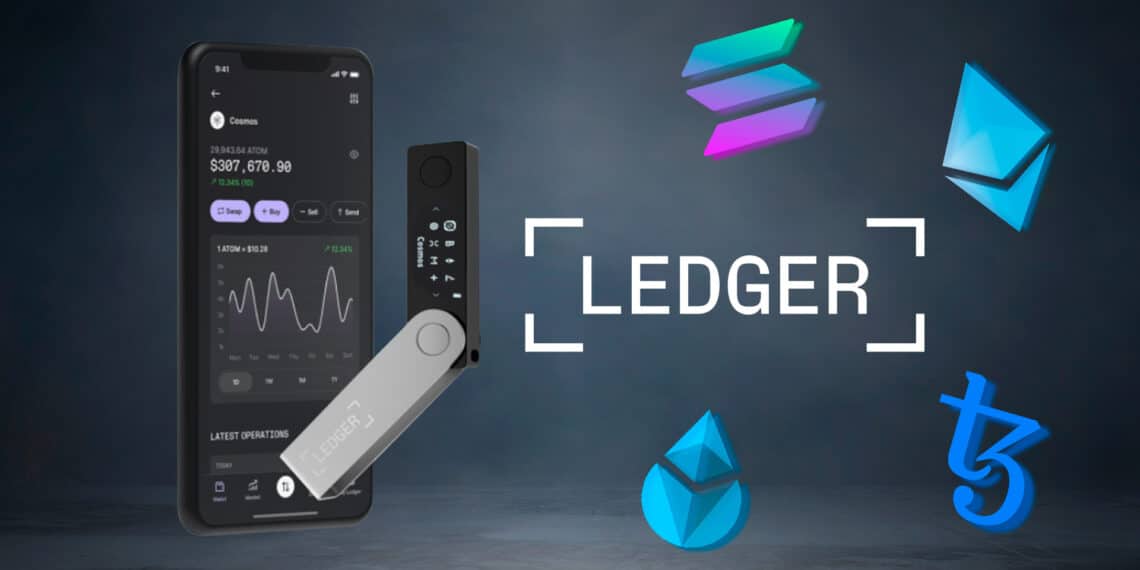
Multi-currency support — the upside and the hidden costs
Supporting multiple blockchains is hard. Very hard. Different address formats, different signing schemes, different derivation paths — it adds complexity. Most vendors solve this by modularizing support: apps for each coin, sometimes separate firmware stacks, sometimes third-party libraries. That modularity helps speed development, but it creates dependency webs. If one module is buggy, it can affect the rest.
Practically speaking, choose a wallet whose ecosystem you trust. If you want one interface that manages many assets, make sure you understand how that interface talks to your device, and how it exposes transaction details for confirmation. I use a hardware device and interface that clearly shows destination addresses and amounts on-device — that alone avoids a lot of phishing-type mistakes.
Also: storage vs management. Device A may store keys for Chain X, but the desktop or mobile app may be responsible for crafting the transaction. That means an attacker on your computer could try to trick you into signing a malicious payload. The fix? Rely on on-device confirmations and visually inspect everything. Yes, it’s tedious, but it’s the difference between safe and sorry.
DeFi integration — useful, risky, and often misunderstood
DeFi needs you to sign arbitrary transactions. That’s the whole point — composability. But arbitrary isn’t always obvious on a tiny device screen. Seriously? Yep. A contract call can bundle many actions and give approvals that last forever. Your instinct said “approve this token”, and ten minutes later that approval could be exploited. I’m biased, but approval hygiene matters a lot.
Use tools that show human-readable data on-device when possible. Use spending limits instead of “infinite approvals.” Use separate accounts for high-risk DeFi experiments. And keep an air-gapped or cold-storage device for large, long-term holdings.
Another practical point: some DeFi flows require connecting your hardware wallet through an intermediary (a bridge app or web wallet) which translates web3 calls into device signatures. That means you’re trusting the intermediary. It’s not automatically bad — many intermediaries are open-source and well-audited — but it’s another layer to audit mentally. On one hand, integration brings convenience; on the other, it multiplies trust boundaries, though actually you can mitigate much of this by restricting approvals and auditing which dApps you connect to.
Private keys and passphrases — protect them like a loaded weapon
Private keys are the crown jewels. If someone copies them, your assets leave. No two ways about it. Hardware wallets protect keys by design, but the human layer is where mistakes happen: seed backups stored in photos, typed into notes, or written on flimsy paper that eventually tears or fades. Don’t do that. Use metal backups. Period.
Passphrases (the optional “25th word”) add plausible deniability and extra wallets, but they also add a single point of catastrophic failure: you must remember it exactly. Typos, spacing, or using a phrase you “think” you recall can turn a recoverable key into permanent loss. My instinct says use passphrases only if you understand the consequences; use them sparingly for real use-cases like hidden accounts, and pair them with secure, offline storage of the phrase itself (metal plate, safe deposit box, trusted lawyer). I’m not 100% sure this fits everyone, though — it’s a trade-off between privacy and recoverability.
Also note: BIP39 passphrases aren’t standardized across all wallets. Different wallets may implement derivation differently. So if you ever plan to recover your seed on another vendor’s device, test that process in a small, controlled way first. Don’t learn this at 2 a.m. when money is at stake.
Supply chain and device integrity
Buying hardware wallets from sketchy sources is a known risk. Devices can be tampered with before they reach you. So buy from official channels and verify device authenticity if the vendor provides a verification flow. Some vendors offer secure element chips and anchored firmware signing that reduces risk of tampered updates — prefer those features.
One more thing: firmware updates are important but they can also introduce changes you need to understand. Read release notes for major firmware updates and, when possible, prefer updates that are cryptographically signed and verifiable. I update, but I also read what’s changing. Kinda nerdy, but it matters.
When to use multi-sig instead of a single hardware wallet
If you hold significant sums, multi-signature setups change the threat model for the better. Instead of one device being the single point of failure, multiple keys (possibly on multiple devices or held by trusted co-signers) must conspire to move funds. This reduces risk from theft, loss, and some forms of coercion. It’s more operationally complex, yes, but if you’re serious about custody, multi-sig is worth learning.
There are now UX-friendly multisig solutions that integrate with hardware wallets. That integration keeps private keys offline while still allowing coordinated signing for transactions. If that sounds appealing, take a small stake, set up a rehearsal multi-sig with friends or colleagues, and learn the recovery process while the stakes are low.
Practical checklist — quick wins you can do today
– Buy from reputable vendors. No gray market.
– Use on-device transaction confirmation for all high-value ops.
– Avoid infinite token approvals; set granular allowances.
– Backup seeds on metal, not paper. Seriously.
– Consider a dedicated device for cold storage and a daily-driver device for small amounts.
– Test recovery on a different device before you need it.
Okay, so check this out—the ecosystem is maturing. Tools like ledger provide more polished interfaces for multi-currency management and integrate with many DeFi tools, but no single product is a magic bullet. Your decisions and habits matter.
FAQ
Q: Is one hardware wallet enough for multiple currencies?
A: For many users, yes — a single, reputable device handles dozens of chains. But complexity increases with every chain you add; double-check derivation paths and address formats when moving between apps. For big holdings, consider a split strategy: one main cold device and one for daily use.
Q: How should I manage DeFi approvals safely?
A: Minimize approvals, use time- or amount-limited allowances, and revoke unused permissions through a trusted permission-management tool. Never blindly approve contract interactions without confirming the full intent on your device screen.
Q: Passphrase vs. multisig — which is better?
A: They solve different problems. Passphrases add hidden wallets and privacy; multisig reduces single points of failure and theft risk. If you want both privacy and robust custody, combine strategies with careful planning.